Dental Hygiene Guide: Professional Cleaning, Oral Health and the Role of a Hygienist
Good dental hygiene is essential for keeping your teeth and gums healthy. A consistent oral care routine can help prevent plaque buildup, tooth decay, gum disease and bad breath. While brushing and flossing at home are important, professional dental care also plays a valuable role in maintaining a healthy smile.
Understanding the role of a dental hygienist, the benefits of professional cleaning and the habits that protect your teeth can help you make informed decisions about your oral health.
What Is Dental Hygiene and Why Does It Matter?
Dental hygiene involves the daily habits and professional care needed to keep your teeth, gums and mouth clean. It includes brushing, flossing, maintaining a balanced diet and attending regular dental check-ups.
When plaque is not removed effectively, it can harden into tartar, which cannot be removed with a toothbrush alone. Over time, plaque and tartar may contribute to gum inflammation, bleeding gums and other oral health problems.
Good dental hygiene can help you:
- Reduce plaque and tartar buildup.
- Lower the risk of tooth decay and gum disease.
- Maintain fresher breath.
- Protect your natural teeth.
- Identify potential oral health concerns earlier.
Building healthy habits early and maintaining them consistently can make a meaningful difference to your long-term oral health.
What Does a Dental Hygienist Do?
A dental hygienist focuses on preventive oral care and helping patients maintain healthy teeth and gums. Depending on their qualifications, registration and the services offered by the clinic, their responsibilities may include professional cleaning, oral health education and advice on preventing gum disease.
Professional Teeth Cleaning
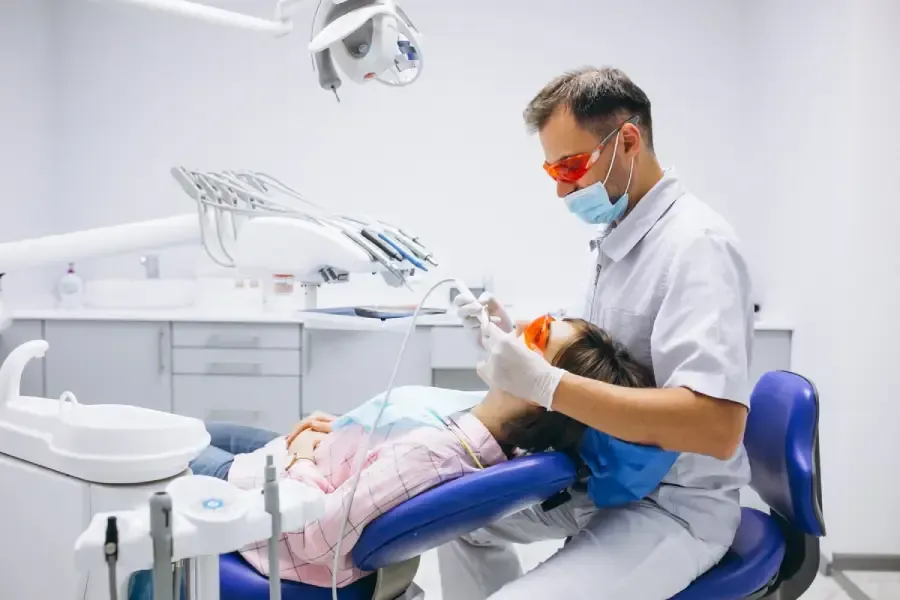
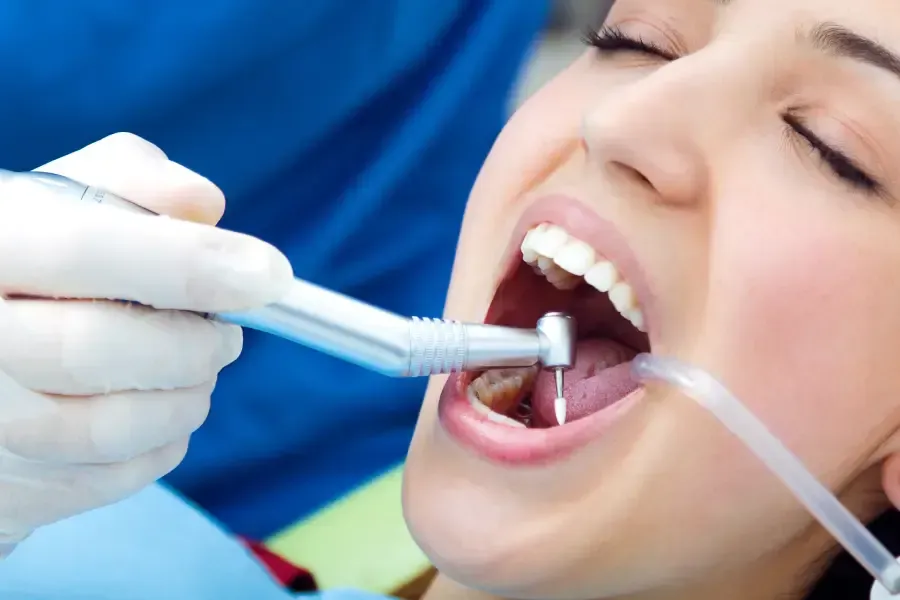
During a professional cleaning appointment, plaque and tartar are removed from areas that may be difficult to clean at home. The dental professional may also polish your teeth and provide personalised advice about your brushing and flossing technique.
The process varies depending on your oral health, the amount of buildup and whether gum problems require additional care.
Gum Health Assessment
Healthy gums are important for supporting your teeth. A dental professional may check for redness, swelling, bleeding and other signs of gum disease. If further treatment is needed, they can recommend an appropriate care plan or refer you to another dental professional.
Personalised Oral Hygiene Advice
An oral hygienist or other qualified dental professional can help you understand how to care for your teeth more effectively. Advice may cover toothbrush selection, flossing methods, interdental brushes and other tools suited to your needs.
How Often Should You Get Professional Dental Cleaning?
The ideal frequency depends on your individual oral health. Many people benefit from regular dental check-ups and professional cleaning, often around every six months. However, this is not a universal rule.
People with gum disease, a history of frequent cavities, orthodontic appliances or other oral health concerns may need more frequent appointments. Your dentist can recommend a schedule based on your needs.
Do not wait for pain before seeking dental advice. Gum bleeding, persistent bad breath, tooth sensitivity or changes in your gums may indicate a problem that needs attention.
Dental Hygienist vs Dentist: What's the Difference?
Although their roles can overlap in preventive care, dental professionals have different responsibilities.
A dental hygienist generally focuses on preventive care, professional cleaning and oral hygiene education within their authorised scope of practice. A dentist diagnoses oral health conditions, develops treatment plans and performs procedures such as fillings, crowns and other restorative treatments.
Both roles can contribute to maintaining healthy teeth and gums. If you are unsure whether to book a cleaning or a dental examination, the clinic can help you choose an appropriate appointment.
Daily Habits That Improve Dental Hygiene
Professional cleaning works best when supported by a consistent home routine. Follow these practical tips:
- Brush twice daily: Use fluoride toothpaste and a soft-bristled toothbrush for two minutes each time.
- Clean between your teeth: Floss or use suitable interdental brushes daily to remove plaque from hard-to-reach areas.
- Limit sugary snacks and drinks: Frequent sugar exposure increases the risk of tooth decay.
- Drink water regularly: Water helps rinse away food particles and supports saliva production.
- Replace your toothbrush: Change it approximately every three to four months, or sooner if the bristles become frayed.
- Attend regular check-ups: Follow the appointment schedule recommended by your dental professional.
If you are searching online for “dental hygienist dental” services, look for a registered professional or dental clinic that clearly explains its preventive services, qualifications and appointment options.
When Should You Book a Dental Hygiene Appointment?
Consider arranging an appointment if you have visible tartar, bleeding gums, persistent bad breath or difficulty keeping your teeth clean. Professional advice can also help if you wear braces, have dental restorations or need guidance on improving your daily routine.
At Weston Creek Dental Care, you can enquire about suitable dental care options and discuss your oral health needs with the clinic team.
Frequently Asked Questions
1. Is professional teeth cleaning necessary if I brush daily?
Yes. Brushing and flossing help control plaque, but they may not remove all hardened tartar. Professional cleaning can address buildup that home care cannot remove.
2. Does dental cleaning hurt?
Cleaning is usually comfortable, although some people experience temporary sensitivity, particularly when their gums are inflamed. Tell your dental professional if you feel discomfort.
3. Can dental hygiene prevent gum disease?
Good oral hygiene helps reduce plaque buildup, a major contributor to gum disease. Regular professional care can also help identify early signs of gum problems.
4. Are dental hygienists and oral hygienists the same?
The terms are often used to describe professionals who provide preventive oral care. However, qualifications, registration requirements and permitted duties vary by location, so check the professional's credentials.
5. How can I maintain healthy teeth between appointments?
Brush twice daily with fluoride toothpaste, clean between your teeth every day, limit sugary foods and drinks, and follow your dentist's personalised advice.
Keep Your Smile Healthy With Consistent Dental Hygiene
Maintaining good dental hygiene involves more than brushing your teeth. A balanced home care routine, professional cleaning when appropriate and regular dental check-ups can help protect your teeth and gums over time.
If you have concerns about your gums, plaque buildup or oral care routine, contact Weston Creek Dental Care to discuss your needs and find out which appointment is suitable for you.
📍 Address: 8/14 Brierly St, Weston Creek, ACT 2611
📞 Phone: 02 6288 3734
📧 Email: clinic@westoncreekdentalcare.com.au