Dental Bonding Canberra: Affordable Solution for Repairing Chipped & Gapped Teeth
Dental Bonding Canberra: Affordable Solution for Repairing Chipped & Gapped Teeth
Cracked a front tooth on a Friday night? Noticed a gap that has quietly bothered you for years? Sometimes small dental imperfections carry a surprisingly big emotional weight.
Dental bonding offers a way out that does not drain your savings or take weeks of appointments. At Weston Creek Dental Care, we have been helping Canberra residents refresh their smiles with bonding for decades. It is one of the quickest, most wallet-friendly treatments in cosmetic dentistry.
Read on to find out if dental bonding suits your situation, how the process unfolds, and what sets it apart from other options like microabrasion and veneers.
Related Read: Cosmetic Dentist Canberra: Complete Guide to Transforming Your Smile in 2026
Dental Bonding Explained Simply
Picture a sculptor working with clay. Your dentist does something similar, but with a soft composite resin matched to the colour of your tooth.
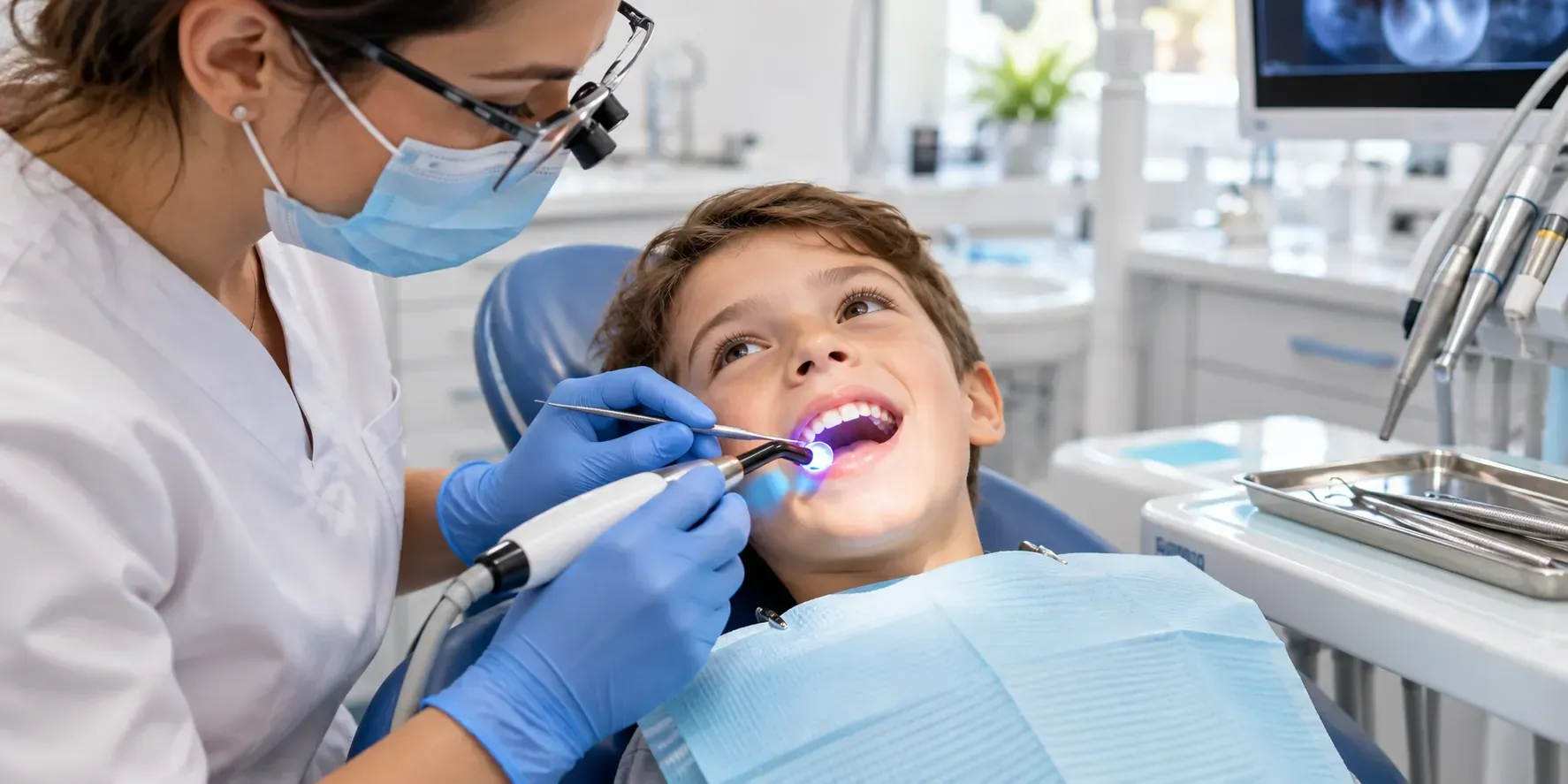
The resin is pressed onto the tooth, moulded until the shape is right, then set solid with a curing lamp. A final polish finishes the job. The treated area looks like it was always part of your natural smile.
No wait, no lab, no second visit. Most people walk out with a fully restored tooth in under an hour.
Situations Where Bonding Makes Sense
Your dentist at Weston Creek Dental Care may suggest bonding for:
• A chipped or fractured tooth that needs rebuilding
• Noticeable gaps where two teeth do not quite meet
• Teeth that appear shorter than they should on one side
• Stubborn brown or grey marks that whitening treatments leave behind
• Gum recession that has exposed the root of a tooth
• A small decay site that needs a naturally blending filling
What Actually Happens During Your Bonding Appointment
Knowing the steps ahead of time tends to calm any nerves. Here is the sequence from the moment you sit in the chair.
Stage One: Reading Your Smile
Your cosmetic dentist takes a close look at the tooth in question. They ask what you want to change and whether the result should be subtle or dramatic. This five-minute conversation shapes every decision that follows.
Stage Two: Prepping the Enamel Surface
Unlike veneers, bonding calls for almost zero enamel removal. Your dentist applies a gentle conditioning gel that creates a slightly textured surface. Think of it as priming a wall before painting. The resin grips far better on a prepped surface than on smooth enamel.
Stage Three: Building the Tooth Up
The resin goes on in carefully placed portions. Your dentist sculpts each section before hardening it under a focused blue light. This layering approach gives full control over the final contour and shade.
Stage Four: The Finishing Touch
Hardened resin is slightly rough to begin with. Your dentist refines the edges, checks your bite, then buffs the surface to a lifelike sheen. The treated tooth should feel just as natural as its neighbours.
Time at the Chair
A single tooth generally wraps up in 30 to 60 minutes. Treating several teeth in one session is possible, though complex cases may be split across two visits for the best outcome.
Dental Bonding and Microabrasion: Two Different Approaches to Enamel
People sometimes confuse these two treatments because both deal with surface-level tooth issues. In reality, they follow opposite philosophies.
The Microabrasion Approach
Microabrasion is a subtraction technique. The dentist applies a mildly abrasive compound to the outer enamel layer. Gentle buffing strips away a fraction of a millimetre, taking discoloured or chalky spots with it.
When the staining sits at the very surface and the tooth structure underneath is sound, microabrasion can deliver a noticeably cleaner result with minimal intervention.
The Bonding Approach
Bonding is an additional technique. Rather than removing anything, it builds the tooth outward. That makes it the right call when:
• Physical material is missing from a chip or break
• A gap exists between two teeth that microabrasion cannot close
• Staining runs deeper into the enamel than surface polishing can reach
• The tooth outline needs reshaping rather than just brightening
Using Both in the Same Treatment Plan
Occasionally, your cosmetic dentist will pair the two. Microabrasion may come first to even out the surrounding enamel tone, setting a cleaner canvas before bonding is applied. Ask during your consultation whether a combined approach suits your goals.
Bonding or Veneers? Choosing the Right Level of Commitment
This is the question we hear most often at Weston Creek Dental Care. Both treatments deliver cosmetic results, but the commitment level is very different.
At a Glance
• Bonding: resin placed directly on the tooth by your dentist in one visit
• Veneers: ultra-thin porcelain shells crafted off-site, bonded on a return visit
• Bonding: preserves nearly all natural enamel
• Veneers: need a thin slice of enamel removed, making the process permanent
• Bonding: lower cost, suited to targeted repairs
• Veneers: higher cost, better suited to a full-row transformation
• Bonding: 5 to 10 years with regular maintenance
• Veneers: 10 to 15-plus years with proper care
Our Honest Take
If one or two teeth need attention, bonding is often the sharper choice. The process is reversible in theory, costs considerably less, and the results hold up well over many years of daily use.
If you picture a complete smile overhaul across several teeth, veneers are worth the investment. Not sure where you fall? Our team at Weston Creek Dental Care will give you a straight answer based on your actual teeth, not a sales pitch.
Getting the Most Out of Your Dental Bonding
Bonding is durable, but it rewards a little common sense. Patients who treat it well regularly clear the 10-year mark.
Habits That Extend Its Life
• Keep up a twice-daily brushing routine with a soft bristle brush
• Floss around bonded teeth gently each night
• Sip dark beverages through a straw where practical
• Book in for a professional polish at your regular check-up
• Mention to your dentist if you clench at night — a custom night guard can protect the resin
The Staining Question
Composite resin absorbs pigment more readily than porcelain does. Coffee, tea, and red wine are the main culprits. Smoking accelerates discolouration significantly.
One practical move: if you are planning to whiten your natural teeth at some point, do that before your bonding appointment. That way your dentist can match the resin to your brighter, post-whitening shade from day one.
Will the Procedure Be Uncomfortable?
Straightforwardly, no — for the vast majority of patients.
Because so little enamel is involved, there is often no need for any numbing at all. You sit back, the dentist works, and you leave. Some people find the experience almost unremarkable compared to a standard filling.
If the target tooth is already sensitive, sits close to the gum margin, or involves a cavity, a local anaesthetic is an option. Just let your dentist know, and they will sort it before starting.
A day or two of mild temperature sensitivity after the appointment is a known side effect. It settles on its own. If it persists beyond a week, give us a call.
What to Budget for Dental Bonding in Canberra
Bonding sits at the affordable end of the cosmetic dentistry spectrum. The price per tooth shifts based on the size of the repair and whether multiple teeth are involved in the same session.
Because everything is handled on-site and in a single visit, you sidestep the laboratory costs that push veneers and crowns into a higher bracket. That saving passes directly to you.
Private health insurance with extras cover sometimes contributes if the treatment overlaps with restorative dentistry. It is worth a quick call to your fund to check the specifics of your policy.
We give every patient a written cost breakdown before anything begins at Weston Creek Dental Care. You decide with full information in front of you.
Why Weston Creek Patients Have Trusted Us Since 1974
Weston Creek Dental Care has been part of this community for over five decades. That kind of history does not come from cutting corners. It comes from treating each patient as an individual rather than a number.
Our approach to cosmetic work, including dental bonding, follows the same principle: conservative where possible, precise in execution, and honest about what results are realistic for your situation.
A Few Reasons Locals Keep Coming Back
• Five-plus decades of continuous practice in Weston Creek
• A team that takes time to listen before recommending anything
• Transparent pricing discussed openly before treatment starts
• High-grade resin materials that hold colour and resist wear
• A relaxed, unhurried environment that puts nervous patients at ease
When we match the resin shade to your tooth, we are looking at your specific colour in your specific lighting. Generic results are not what we aim for. A good bond job should make people wonder why your smile looks so good, not whether you have had work done.
Take the Next Step Toward a Smile You Are Proud Of
A chipped tooth or a gap that has nagged at you for years is fixable. Dental bonding at Weston Creek Dental Care is quick, gentle, and genuinely affordable. All it takes is one appointment to see the difference.
Want to See the Full Picture?
Dental bonding is one piece of a much larger cosmetic dentistry puzzle. If you are curious about veneers, whitening, smile makeovers, or gum reshaping, our complete Canberra guide covers all of it in one place.
Related Read: Cosmetic Dentist Canberra: Complete Guide to Transforming Your Smile in 2026
Your Dental Bonding Questions Answered
1. My chip is small. Is bonding really worth it for something minor?
Absolutely. Small chips are actually where bonding shines. The fix is proportional to the problem. Your dentist uses just enough resin to restore the original shape, and the result is virtually undetectable. Leaving a chip untreated can sometimes lead to further cracking, so acting sooner has a practical benefit too.
2. I have heard bonding wears away. How do I know when it needs attention?
Wear on bonded teeth tends to be gradual and visible. You might notice a slight roughness at the edge or a subtle change in how the tooth sits against its neighbour. Your dentist checks the bond at every routine visit. Catching minor wear early usually means a quick touch-up rather than a full redo.
3. My teeth are already quite sensitive. Will bonding make that worse?
Dental bonding actually covers and protects sensitive areas in many cases, particularly where exposed roots are the cause of the sensitivity. Because so little enamel is disturbed during the process, most patients with sensitivity find the procedure very tolerable. Let your dentist know your concerns before the appointment and they will tailor the approach accordingly.
4. How does enamel factor into the bonding process?
Healthy enamel is the foundation bonding relies on. The dentist etches the enamel surface very gently so the resin forms a secure mechanical grip. Teeth with weak or very thin enamel may not be the strongest candidates. Your dentist will assess enamel health as part of the initial examination to confirm bonding is appropriate for your specific situation.
5. Can bonding be reversed if I change my mind later?
Because the process involves so little enamel change, bonding is considered one of the more reversible cosmetic options. A dentist can carefully remove the resin and restore the tooth to close to its pre-treatment state. That said, every situation is different. Discuss your long-term plans during your consultation so your dentist can advise on the best approach from the start.
Book Your Appointment at Weston Creek Dental Care
A healthier and more confident smile can make a big difference in daily life. Whether you need help with a chipped tooth, gaps between teeth, or cosmetic dental concerns, our experienced team is here to help.
At Weston Creek Dental Care, we provide professional and affordable dental bonding treatments in a caring and relaxed environment.
Contact Weston Creek Dental Care
Phone:02 6288 3734
Email:clinic@westoncreekdentalcare.com.au
Address: 8/14 Brierly St, Weston Creek ACT
Book your consultation today and discover how dental bonding can improve your smile quickly, comfortably, and affordably.